
7 Expert Trekking Tips You Must Know
Planning your next adventure in the great outdoors? Whether you’re a first-time hiker or an experienced trekker, these seven expert trekking tips will help you prepare, stay safe, and make the most of every step. From choosing the right gear to mastering altitude adjustment, this guide covers everything you need for a rewarding trek.


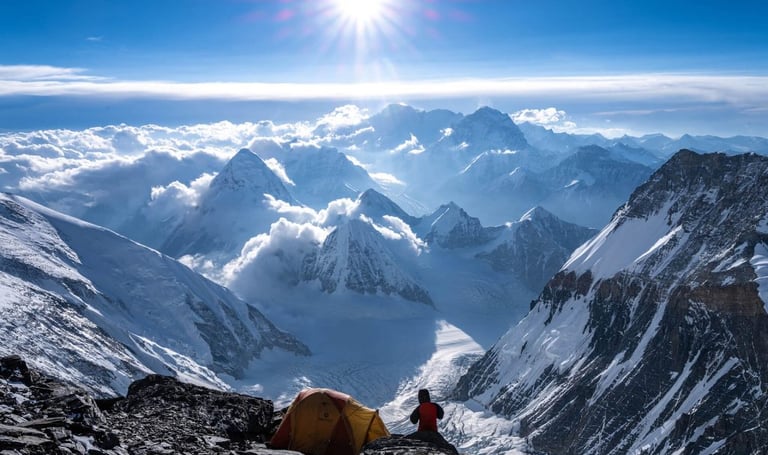

Trekking is one of the most rewarding ways to experience nature. Whether you’re hiking through the Himalayas or exploring your local trails, the right preparation can make all the difference between a memorable adventure and a tough slog. Here are seven expert tips to help you trek smarter, safer, and more confidently.
1. Choose the Right Trail for Your Fitness Level
Not all treks are created equal. Before committing to a route, take an honest look at your current fitness and experience. Research the terrain, altitude, and daily distance. Starting with a moderate trek will build your stamina and confidence for more challenging routes later.
2. Break In Your Gear Before the Trek
New boots and backpacks might look great, but using them for the first time on a trek can be a mistake. Break in your footwear on shorter hikes, and do a few trial runs with your pack fully loaded. This prevents blisters, sore shoulders, and unnecessary discomfort.
3. Pack Smart and Light
Every extra kilo counts when you’re trekking for hours. Pack only the essentials: layered clothing, a rain jacket, first-aid kit, snacks, and hydration gear. Keep weight evenly distributed and easy to access. A light pack keeps you agile and less fatigued at the end of the day.
4. Stay Hydrated and Eat Right
Dehydration is a common cause of fatigue and headaches during treks. Drink small amounts frequently rather than gulping large volumes at once. Carry energy bars, nuts, and fruits to maintain your energy levels throughout the day.
5. Respect the Weather
Mountain weather changes fast. Always check forecasts, but also be prepared for sudden shifts. Pack layers that can be added or removed easily, and carry waterproof protection even on sunny days.
6. Acclimatize When Gaining Altitude
If your trek involves high altitudes, give your body time to adjust. Ascend gradually, stay hydrated, and avoid alcohol. A slow, steady pace reduces the risk of altitude sickness and helps you enjoy the views without feeling lightheaded.
7. Leave No Trace
Nature gives us incredible places to explore—let’s keep them that way. Carry all waste back with you, avoid disturbing wildlife, and stick to marked trails. Responsible trekking ensures that others can enjoy these trails for years to come.
Final Thoughts
Trekking isn’t just about endurance; it’s about mindset, preparation, and respect for the outdoors. With these expert tips, you’ll be better equipped to handle challenges and focus on what truly matters—the journey itself.